Studying Physiotherapy in Malta: Complete Degree Guide
Physiotherapy represents an essential healthcare discipline that restores movement, function, and physical performance. Indeed, Malta has emerged as a top destination for physiotherapy education, offering programs in English that strictly follow European academic and clinical standards.
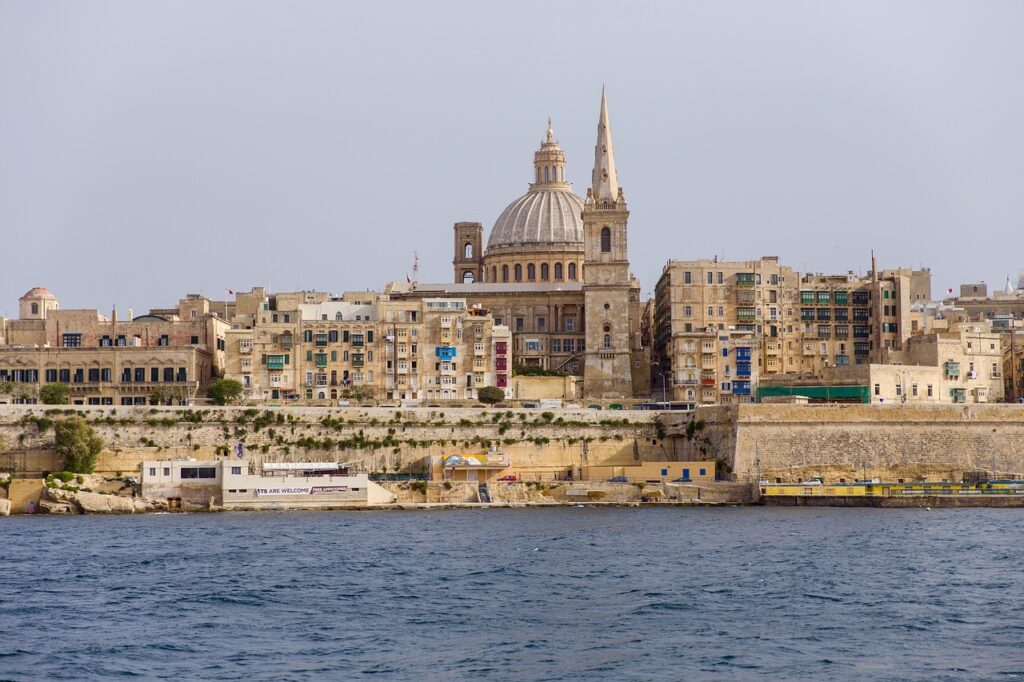
Physiotherapy education in Malta relies heavily on an evidence-based framework. Consequently, students receive a well-rounded education that combines rigorous scientific research with extensive practical exposure.
Overview of Physiotherapy Education in Malta
Physiotherapy programs in Malta follow a 4-year Bachelor of Science structure aligned with the European Credit Transfer and Accumulation System (ECTS). Therefore, EU member states fully recognize degrees from Malta.
The curriculum balances core biological sciences—such as human anatomy, physiology, biomechanics, and pathology—with practical rehabilitation methodologies. In fact, interdisciplinary training prepares future therapists to operate seamlessly within modern healthcare teams.
Admission Requirements
Applicants must hold a secondary school diploma with a strong background in science subjects, particularly biology, chemistry, and physics. Furthermore, because universities teach these programs in English, non-native speakers must demonstrate proficiency through standard certifications like IELTS or TOEFL.
In addition, many Maltese institutions incorporate scientific entrance exams or admissions interviews to assess candidates’ critical thinking and clinical aptitude.
Practical Clinical Internships
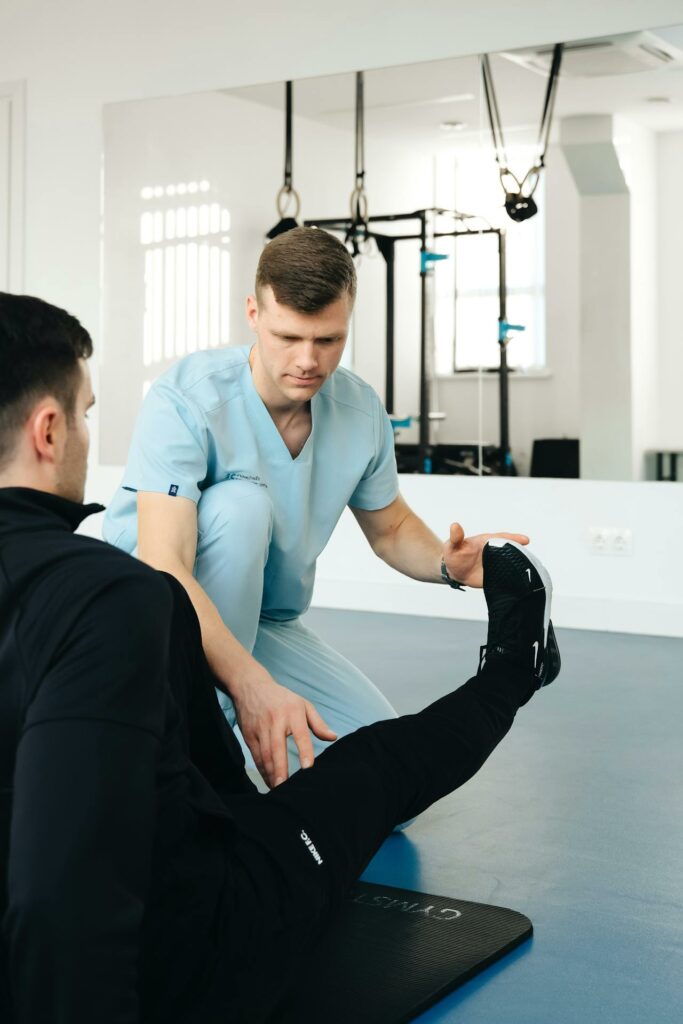
Practical training forms a core requirement of Maltese physiotherapy degrees. Programs mandate over 1,600 hours of supervised internships across hospitals, rehabilitation centers, and private clinics.
For this reason, students gain direct hands-on experience in patient evaluation, treatment planning, and post-surgical recovery. Working under experienced clinicians allows graduates to transition smoothly into independent clinical practice.
Certification and Professional Practice
Upon graduation, physiotherapists must complete registration with the Malta Association of Physiotherapists (MAP) and state licensing bodies to practice legally. Consequently, practitioners gain professional standing that aligns with broader European Union healthcare mobility standards.
Furthermore, active registration requires engagement in Continuing Professional Development (CPD). The MAP provides regular workshops, seminars, and specialized certifications to keep therapists updated on advanced clinical techniques.
Career Prospects and International Opportunities
An aging population and a strong focus on preventative healthcare rapidly drive the demand for physiotherapists in Malta. Graduates enjoy diverse career opportunities in public hospitals, sports medicine centers, private practices, and geriatric care facilities.
Moreover, Maltese physiotherapy qualifications offer exceptional international flexibility, enabling graduates to build successful careers in Malta, across Europe, or worldwide.