Studying Physiotherapy in Bulgaria: Complete Degree Guide
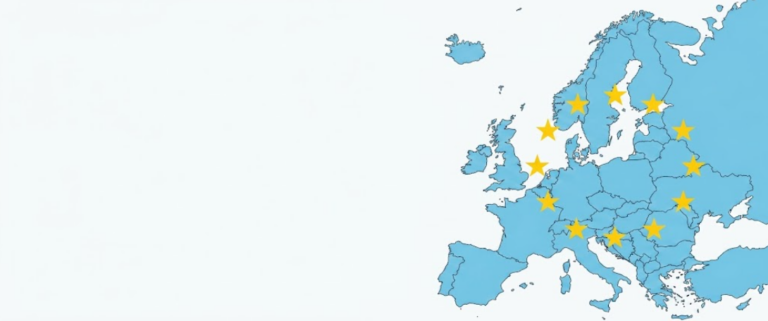
Physiotherapy is a vital healthcare field focused on physical rehabilitation. Indeed, it helps patients recover mobility and manage chronic pain. Bulgaria offers highly accessible university education in Europe. Consequently, it is a popular destination for international students.

Degree Structure and ECTS Credits
In Bulgaria, the Bachelor’s degree in Physiotherapy takes 4 years to complete. The curriculum awards 240 ECTS credits. Therefore, the qualification complies fully with European Union education standards.
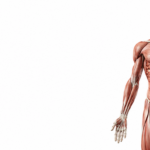
The study plan combines theoretical knowledge with practical coursework. In fact, students study human anatomy, physiology, and movement biomechanics. Furthermore, modules cover musculoskeletal and neurological rehabilitation techniques.
Clinical Training and Practical Placements
Practical training is a core component of the study program. For this reason, students complete supervised clinical internships in accredited medical facilities.
Placements take place in hospitals and private clinics. Working under expert supervision, students learn to manage diverse clinical cases. Consequently, they develop strong practical skills for professional practice.
Admission Requirements and Language of Instruction
Applicants must possess a valid secondary school diploma. However, some universities may also require an entrance exam in biology.
Bulgarian universities offer degree programs in both Bulgarian and English. Consequently, international applicants must provide certified proof of language proficiency. In addition, students must submit an official medical fitness certificate.

Postgraduate Studies and Professional Licensing
After completing the 4-year Bachelor’s degree, graduates can enroll in Master’s programs. For example, they can specialize in sports physiotherapy or pediatric rehabilitation.
The Bulgarian Association of Physiotherapists (BAPT) serves as the professional body. The association promotes continuous professional development by organizing workshops and seminars. Furthermore, it maintains high clinical practice standards across the nation.
Career Opportunities
Graduates trained in Bulgaria enjoy diverse employment prospects. In fact, the demand for rehabilitation specialists continues to grow across Europe. Career paths include:
- Hospitals and Clinics: Treating orthopedic, post-surgical, and neurological cases.
- Sports Organizations: Injury prevention and rehabilitation for professional athletes.
- Rehabilitation Centers: Long-term management of chronic physical conditions.
- Independent Practice: Operating a private facility or delivering home-care services.