Studying Physiotherapy in Hungary: Complete Degree Guide
Physiotherapy is an essential healthcare field focused on physical movement recovery. Indeed, Hungary offers top-quality university education in a robust healthcare environment. Combining academic theory with clinical training, Hungary is consequently an increasingly popular destination for international students.

Degree Structure and ECTS Credits
The main pathway is a 4-year Bachelor’s degree requiring 240 ECTS credits. Therefore, the program aligns fully with European higher education standards.
Early semesters focus on foundational sciences like anatomy, physiology, and biomechanics. In fact, these subjects build the groundwork for advanced modules in musculoskeletal, neurological, and sports physiotherapy.
Admission Requirements and Language Options
Applicants must hold a high school diploma with a strong background in biology, chemistry, or physics. In addition, many universities conduct a basic scientific entrance exam.
Programs are taught entirely in English. Consequently, international applicants must present official proof of proficiency, such as standard IELTS or TOEFL certificates.
Clinical Internships and Practical Experience
Practical training is integrated directly into the curriculum. For this reason, mandatory clinical internships take place during the final stages of the program.
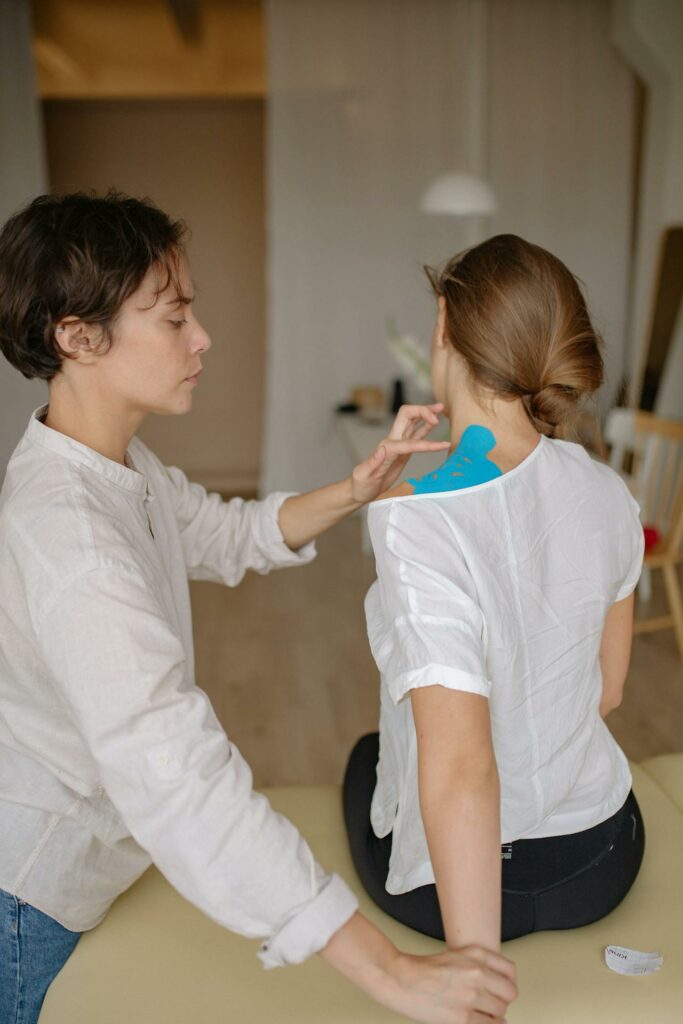
Students complete hands-on placements in public hospitals, rehabilitation centers, and specialized clinics. Working under experienced clinical supervisors, graduates enter the workforce with strong clinical experience.
Professional Certification and Licensing
After graduation, physiotherapists must obtain registration to practice legally in Hungary. The primary professional body is the Hungarian Physiotherapy Association (HPA).
The HPA oversees educational standards, ethics, and licensing. Furthermore, licensed practitioners must engage in continuing education to maintain active registration.
Career Opportunities and Specializations
The demand for skilled physiotherapists in Hungary is growing rapidly. In fact, graduates can choose from diverse professional settings, including:
- Hospitals and Rehabilitation Clinics: Managing orthopedic, neurological, and post-surgical recovery.
- Sports Medicine Centers: Injury prevention and physical recovery for competitive athletes.
- Pediatrics and Geriatrics: Specialized care for developmental disorders or age-related mobility issues.
- Private Practice: Operating an independent clinic or providing freelance healthcare care.