
Short introduction
Physiotherapy is a critical healthcare profession focused on enhancing mobility, managing pain, and improving the physical well-being of individuals across all ages. It plays a pivotal role in rehabilitation and preventive care, addressing conditions ranging from sports injuries to chronic illnesses. The demand for physiotherapy degree Belgium is growing globally, driven by an aging population and increasing awareness of physical health’s importance.
Belgium stands out as a premier destination for pursuing a physiotherapy degree in Europe. Renowned for its high educational standards, Belgium offers programs that blend academic rigor with extensive practical training. Universities and institutions collaborate with hospitals and clinics, ensuring students gain hands-on experience in real-world healthcare environments.
This alignment with European healthcare standards prepares graduates to work in diverse settings and meet international licensure requirements. By choosing to study physiotherapy in Belgium, students not only benefit from robust education but also gain access to a multilingual and culturally diverse environment. This exposure enhances communication skills and adaptability, critical traits for a successful career in physiotherapy.
Overview of Physiotherapy Degrees in Belgium
A physiotherapy degree in Belgium is a comprehensive program designed to equip students with the theoretical knowledge and practical skills required to excel in this demanding profession. The standard duration of the program is three years, comprising 180 ECTS credits, a framework that ensures consistency and quality across European higher education institutions. The curriculum is structured to provide a balance between academic study and clinical experience. Core subjects include human anatomy, physiology, biomechanics, and rehabilitation science, offering a solid foundation in understanding the human body and its functions. Students also delve into advanced physiotherapy techniques, neurological and musculoskeletal disorders, and evidence-based treatment approaches.
Practical training is integral to the program, with students required to complete supervised internships in hospitals, rehabilitation centers, and private clinics. In addition, the internship period provides students with the opportunity to interact with real patients, diagnosing and offering treatment plans under the guidance of licensed professionals.
Belgian physiotherapy programs emphasize interdisciplinary collaboration, encouraging students to work alongside other healthcare professionals such as doctors, occupational therapists, and nurses. This approach reflects real-world scenarios and prepares graduates for team-based healthcare delivery.
Why Choose Belgium for a Physiotherapy Degree?
Belgium has established itself as a leading destination for students pursuing a physiotherapy degree, offering a combination of rigorous academic training and practical experience that meets international healthcare standards. Its programs are designed to produce competent professionals capable of addressing diverse patient needs in a rapidly evolving healthcare landscape.
One of Belgium’s key strengths lies in its commitment to high educational standards. Physiotherapy programs in the country are carefully regulated to ensure quality and consistency, with curricula that align with the European Qualifications Framework.
The country’s multilingual and culturally diverse environment is another compelling reason to study physiotherapy in Belgium. With three official languages—Dutch, French, and German—students are often exposed to multilingual education and clinical training, which enhances their communication skills and cultural competence.

Belgium’s strong emphasis on practical training is a cornerstone of its physiotherapy education. Universities collaborate extensively with hospitals, rehabilitation centers, and private clinics, ensuring that students gain hands-on experience in treating patients under the supervision of experienced practitioners. These partnerships allow students to work in multidisciplinary teams, mirroring the collaborative nature of real-world healthcare settings.
Studying physiotherapy in Belgium also provides students with access to a dynamic healthcare sector that values innovation and evidence-based practice. The country invests significantly in research and development, and physiotherapy students often benefit from exposure to the latest advancements in rehabilitation techniques and technologies.
Belgium offers a compelling combination of academic rigor, practical training, and cultural enrichment, making it an ideal choice for those seeking to build a successful physiotherapy career. Students who choose Belgium not only gain a high-quality education but also position themselves to thrive in a globalized and diverse healthcare environment.
Top Universities Offering Physiotherapy Degrees in Belgium
Belgium is home to several reputable institutions offering physiotherapy degrees, combining academic excellence with practical training. These programs prepare students for successful careers in diverse healthcare settings. One notable institution is Haute École de Bruxelles – Brabant Wallon (HE2B), which provides a Bachelor’s in Physiotherapy tailored to meet both local and international standards.
HE2B’s program spans three years and is designed to deliver a comprehensive education in physiotherapy. The curriculum focuses on theoretical foundations, clinical application, and community engagement, equipping students with the skills needed to address various patient needs. A significant emphasis is placed on clinical practice, with students completing internships in hospitals, clinics, and rehabilitation centers to gain hands-on experience. The program also integrates community service, fostering a holistic approach to patient care.
Public universities such as KU Leuven are known for their research-oriented approach, incorporating the latest advancements in physiotherapy into their curricula. These institutions emphasize evidence-based practice, ensuring that graduates are well-prepared to implement innovative treatment strategies.
Structure of the Physiotherapy Program in Belgium
The first year serves as a foundation, introducing students to essential subjects such as human anatomy, physiology, and biomechanics. These courses provide a comprehensive understanding of the human body and its movements, forming the basis for more advanced studies. Additionally, students begin learning basic physiotherapy techniques and are introduced to the principles of patient assessment.
In the second year, the curriculum shifts toward applied learning, with a focus on clinical methods, rehabilitation science, and pathology. Students will be in specialized areas such as musculoskeletal, neurological, and cardiovascular physiotherapy. This phase emphasizes critical thinking and the application of theoretical concepts to real-life clinical scenarios. Students also learn to design individualized treatment plans, incorporating evidence-based practices.
The final year is dedicated to advanced training and extensive practical internships. Students spend significant time in hospitals, private clinics, and rehabilitation centers under the guidance of licensed physiotherapists. These placements provide invaluable hands-on experience in diagnosing and treating a wide range of conditions, preparing students for the complexities of professional practice. Additionally, the final year may include research projects or capstone assignments, encouraging students to engage with the latest advancements in physiotherapy.
Admission Requirements
The primary requirement for entry is a secondary school diploma that is recognized by Belgian institutions. International students must provide equivalent qualifications and, in some cases, have their credentials formally evaluated.
Certain institutions may also require applicants to pass an entrance examination, which assesses their aptitude for the program. These exams typically evaluate knowledge in biology, chemistry, and physics, subjects critical to understanding the core aspects of physiotherapy. The specifics of such tests vary between universities, so it is essential for applicants to verify requirements directly with their chosen institution.
For international students, proficiency in the language of instruction is mandatory.
Career Opportunities for Physiotherapy Graduates in Belgium
Belgium’s healthcare system offers a wide array of career opportunities for physiotherapy graduates. With a strong emphasis on rehabilitation and preventive care, physiotherapists are in high demand across various sectors. Graduates can find employment in hospitals, rehabilitation centers, private clinics, sports medicine facilities, and even in specialized sectors such as pediatrics and geriatrics.
The Belgian job market for physiotherapists is robust, with high employment rates and competitive salaries. Physiotherapists in Belgium can expect to work in multidisciplinary teams, collaborating with doctors, nurses, occupational therapists, and other healthcare professionals to provide comprehensive care.
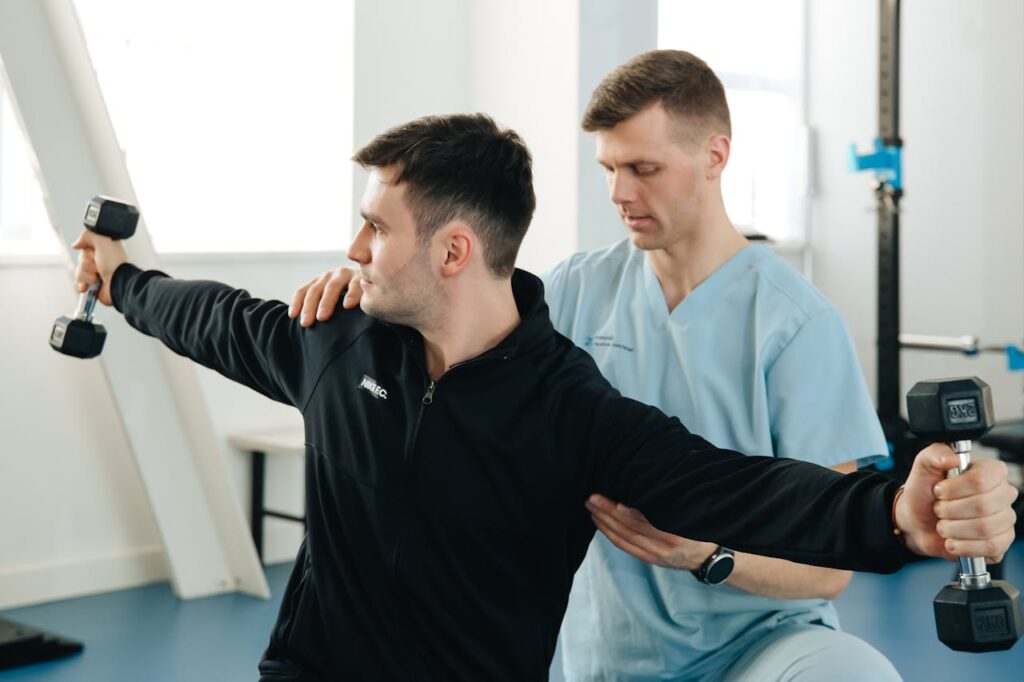
Graduates may also pursue specialized areas of physiotherapy, such as sports physiotherapy, neurological rehabilitation, or musculoskeletal therapy. Specialized programs and certifications are available to those wishing to further their education and expertise in these areas. Additionally, physiotherapists in Belgium are encouraged to participate in continuous professional development (CPD) to stay updated on the latest advancements in treatment techniques and technologies.
For those interested in academia or research, Belgium offers opportunities to pursue advanced studies in physiotherapy or related fields. Several Belgian universities offer Master’s and Doctoral programs, allowing graduates to engage in research and contribute to the evolution of physiotherapy practices both in Belgium and globally.
Physiotherapists in Belgium are well-compensated, with salaries varying depending on the level of experience, specialization, and location of practice. Those working in private practice or in specialized fields can command higher rates, particularly in urban areas with a high demand for physiotherapy services.
Benefits of Studying Physiotherapy in Belgium
Studying physiotherapy in Belgium offers a multitude of benefits, both academically and personally. Below are some of the key advantages:
High Educational Standards: Belgian physiotherapy programs are internationally recognized for their academic excellence. The curriculum is constantly updated to reflect the latest advancements in physiotherapy.
Multilingual Environment: Belgium’s multicultural environment provides students with the unique opportunity to learn and work in multiple languages. Proficiency in Dutch, French, and/or German is an asset, as it allows graduates to work in various regions within Belgium and internationally.
Access to World-Class Healthcare Facilities: Belgium is home to some of Europe’s top hospitals and rehabilitation centers, offering students the opportunity to gain real-world experience in state-of-the-art healthcare settings. These facilities often collaborate with universities, ensuring that students receive high-quality clinical training while contributing to the care of patients.
Strong Job Market: With an increasing demand for qualified healthcare professionals, physiotherapists are in high demand in Belgium. The country’s strong healthcare system, along with an aging population, creates significant opportunities for physiotherapists in various settings, from hospitals and private practices to sports organizations and wellness centers.
Affordable Tuition Fees: Compared to other Western European countries, Belgium offers relatively affordable tuition fees for higher education. Students from EU countries often pay lower fees, and many institutions offer scholarships or financial aid options for international students.
International Recognition of Degree: A degree in physiotherapy from Belgium is highly respected and recognized throughout Europe and beyond. Belgian universities follow the European Credit Transfer and Accumulation System (ECTS), ensuring that credits earned in Belgium can be transferred to institutions across the European Union.
Cultural and Social Benefits: Belgium’s rich cultural heritage, vibrant cities, and diverse social scene offer students the chance to experience life in a cosmopolitan and welcoming environment.
Financial Aid and Scholarships
Belgium offers a range of financial aid options and scholarships for international students pursuing a physiotherapy degree. These options help to reduce the financial burden of studying abroad and make high-quality education more accessible to a global student body.
Scholarships for International Students: Several Belgian universities offer scholarships to non-EU students, covering partial or full tuition fees. These scholarships are typically competitive and are awarded based on academic merit or financial need. Some programs also provide stipends for living expenses.
Erasmus+ Scholarships: As a part of the European Union’s Erasmus+ program, students studying in Belgium may be eligible for Erasmus+ scholarships. These scholarships are designed to support students from EU member states and partner countries who wish to study abroad. They provide financial assistance for tuition, travel, and living costs.
Government Scholarships: The Belgian government offers various scholarship opportunities for international students, including the VLIR-UOS scholarship, which supports students from developing countries who wish to study in Belgium. This scholarship covers full tuition fees, travel expenses, and living allowances for the duration of the program.
Work-Study Opportunities: International students in Belgium are allowed to work part-time during their studies, providing an opportunity to offset living costs. Many students find part-time employment in the healthcare sector, such as assisting in clinics or hospitals, while others work in local businesses or universities. However, the number of hours students can work may be limited, so it’s essential to verify the specific regulations for international students.
Tuition Fee Reductions for EU Students: EU students often benefit from significantly lower tuition fees than non-EU students. Some universities also offer discounts or reduced fees for students from lower-income backgrounds.