Studying Physiotherapy in Croatia: Complete Degree Guide
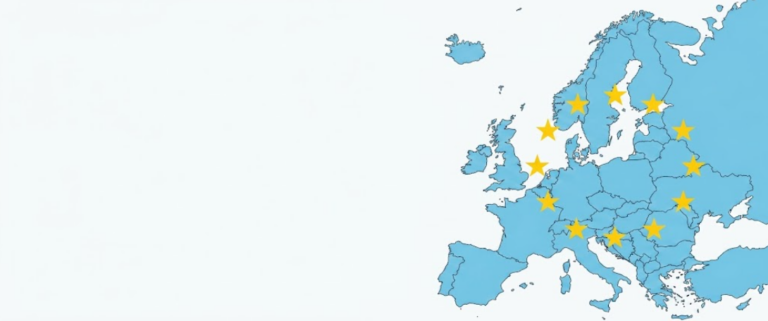
European physiotherapy education maintains rigorous academic standards and practical training, preparing students for successful healthcare careers. Indeed, Croatia has emerged as an increasingly popular destination for international students seeking high-quality physical therapy degrees aligned with European Union standards.
Positioned strategically in Central and Southeastern Europe, Croatia connects students directly to broad European healthcare networks. Furthermore, the country offers affordable tuition fees, lower living costs, and an excellent quality of life.
Degree Structure and ECTS Credits
The Bachelor of Physiotherapy in Croatia spans four years of full-time study requiring 240 ECTS credits. Therefore, the curriculum aligns fully with European Higher Education Area (EHEA) frameworks.
Students build a strong scientific foundation during initial semesters through lectures in human anatomy, physiology, and movement mechanics. In fact, these foundational subjects prepare learners for advanced modules covering manual therapy, exercise prescription, neurorehabilitation, and sports injury management.
Admission Requirements
Universities require candidates to hold a valid high school diploma with coursework in biology, chemistry, and physics. In addition, many Croatian medical faculties conduct scientific entrance examinations or motivation interviews during the selection process.
Because institutions teach international programs entirely in English, non-native speakers must present official proof of language proficiency. Consequently, standard language certificates like IELTS (minimum 6.0) or TOEFL (minimum 80) satisfy university requirements.

Practical Clinical Internships
Hands-on clinical training forms a central pillar of Croatian physiotherapy programs. For this reason, students complete extensive clinical hours within public hospitals, specialized rehabilitation centers, and private clinics.
Under expert clinical supervisors, students gradually take on patient evaluations, treatment planning, and therapeutic delivery. Working in diverse settings equips graduates with strong clinical decision-making capabilities and essential communication skills.
Licensing and Professional Practice
To practice legally in Croatia, graduates must register with the Croatian Council of Physiotherapists (Hrvatska komora fizioterapeuta – HKF). The Chamber oversees educational standards, professional ethics, and active practice licenses.
Furthermore, because Croatian qualifications align with European Union directives, licensed practitioners can easily exercise mutual recognition benefits across EU member states or pursue advanced Master’s specializations in sports, pediatric, or geriatric physical therapy.